Facade condition & preparation
Review peeling finishes, cracks, worn cladding and visible moisture effects. Preparation and the condition beneath the finish shape the work needed for a lasting exterior update.
Improve / Bay Area homes
A better first impression. A stronger envelope.
Refresh the outside of your home while addressing the surfaces and details exposed to weather. Exterior work is an opportunity to consider condition, water management and appearance together.
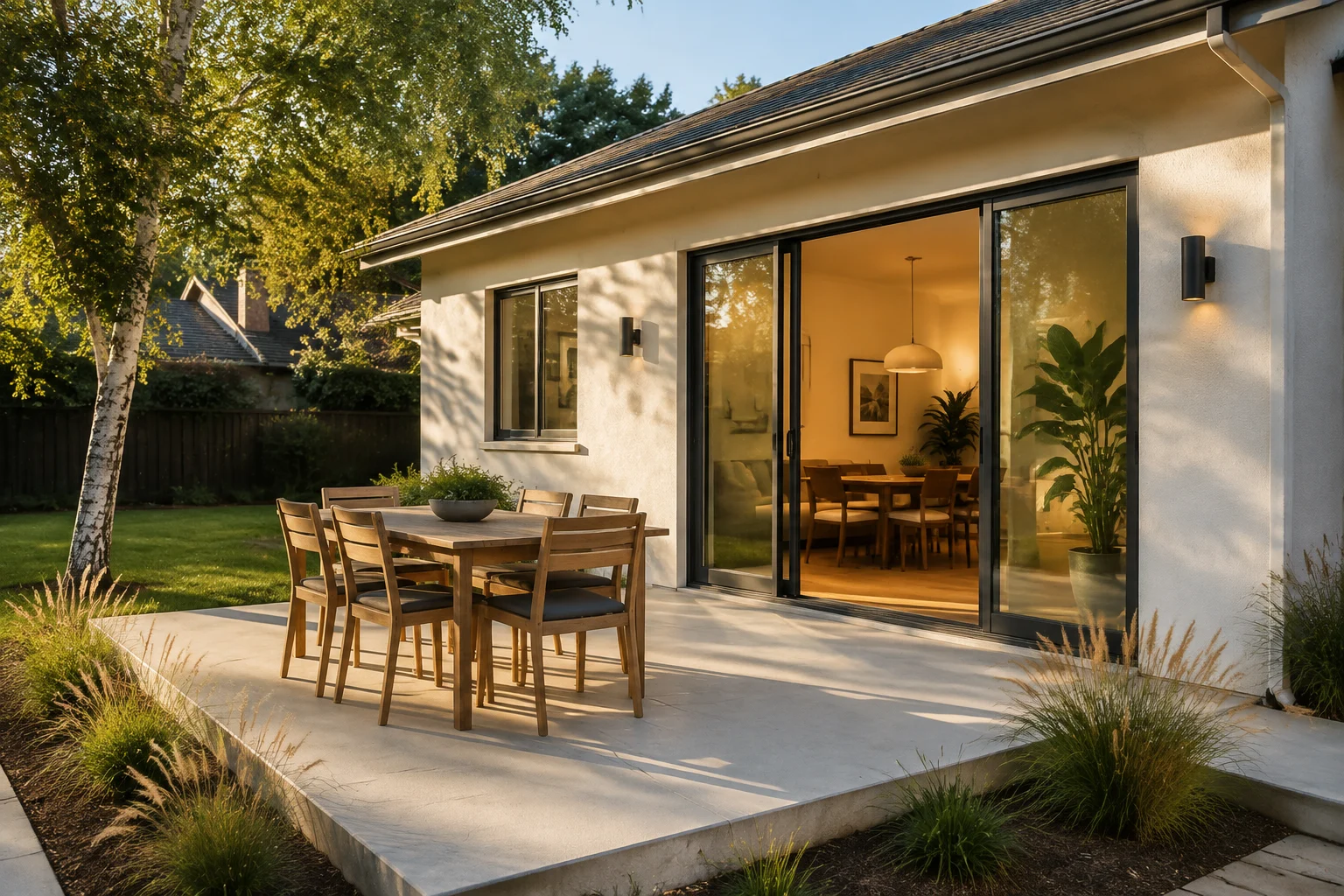
The work, explained
The final scope depends on your property, priorities and existing conditions. Here are the main areas to discuss.
Review peeling finishes, cracks, worn cladding and visible moisture effects. Preparation and the condition beneath the finish shape the work needed for a lasting exterior update.
Discuss which materials can be repaired and where replacement may be appropriate. Coordinate repaired areas with the surrounding surfaces, edges and architectural details.
Plan a material and color palette around the home’s character. Compare samples in natural light and consider maintenance and how new finishes meet retained materials.
Coordinate opening changes or replacement units with the surrounding wall. Dimensions, trim and water-management details need attention as part of the exterior scope.
Consider the junctions between walls, roof edges, openings and other exterior elements. Related roof or drainage work should be defined alongside facade repairs.
Bring trim, exterior lighting and the appearance of the entrance into the conversation. Identify associated repairs so the finished work feels coordinated rather than piecemeal.
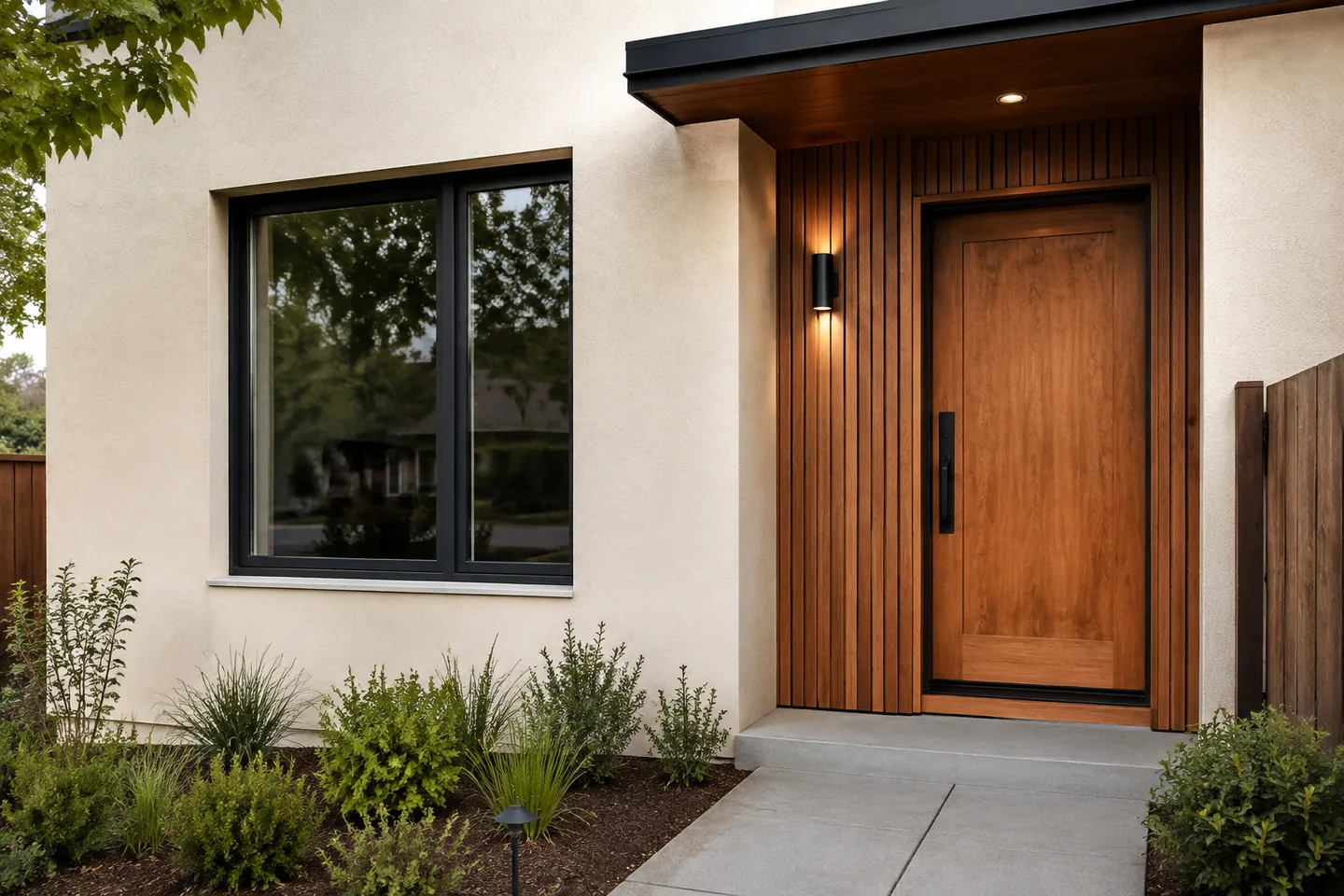
A material palette needs a plan for the joints, openings and transitions between finishes.
Design concept.The details worth planning
Exterior renovation can change the character of a home while dealing with worn or damaged surfaces. The important decisions include what to repair, what to replace and how the materials will meet.
Record cracking, peeling, staining and the areas where those conditions recur. The condition behind the visible finish may affect the work, so define the assessment and repair scope before selecting a new surface treatment.
Review wall finishes, trim, window frames, doors and roof color together. A few well-related materials can give a clear direction without requiring every existing exterior element to be replaced.
Corners, window openings, changes of material and the base of a wall need attention. Confirm which details are being renewed and how they connect with retained roofing, paving and neighboring finishes.
Before & after / The possibilities
An older home. A tired kitchen. A room ready for something new. Explore renovation concepts, one detail at a time.
Showing home exterior renovation concept.
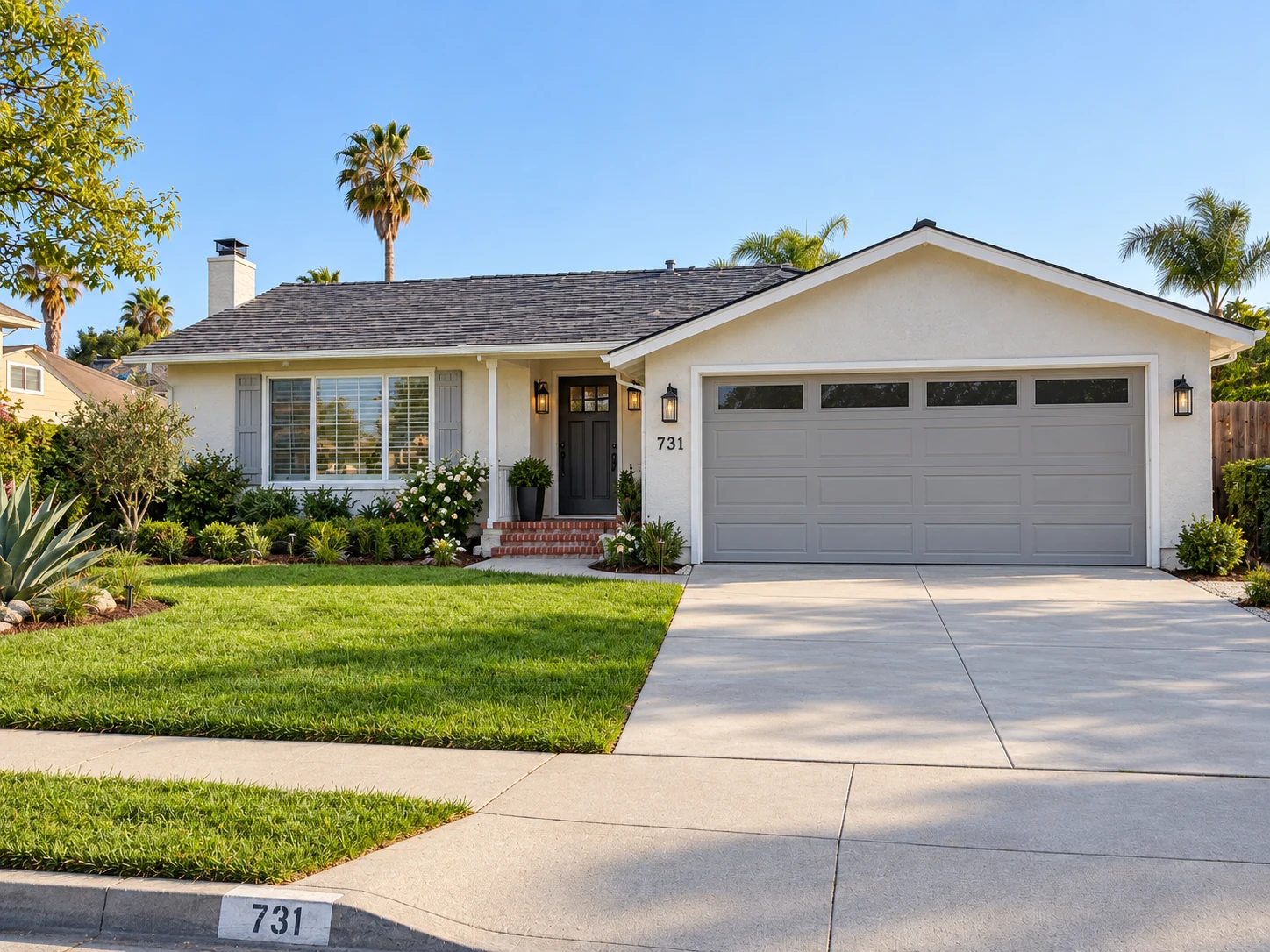
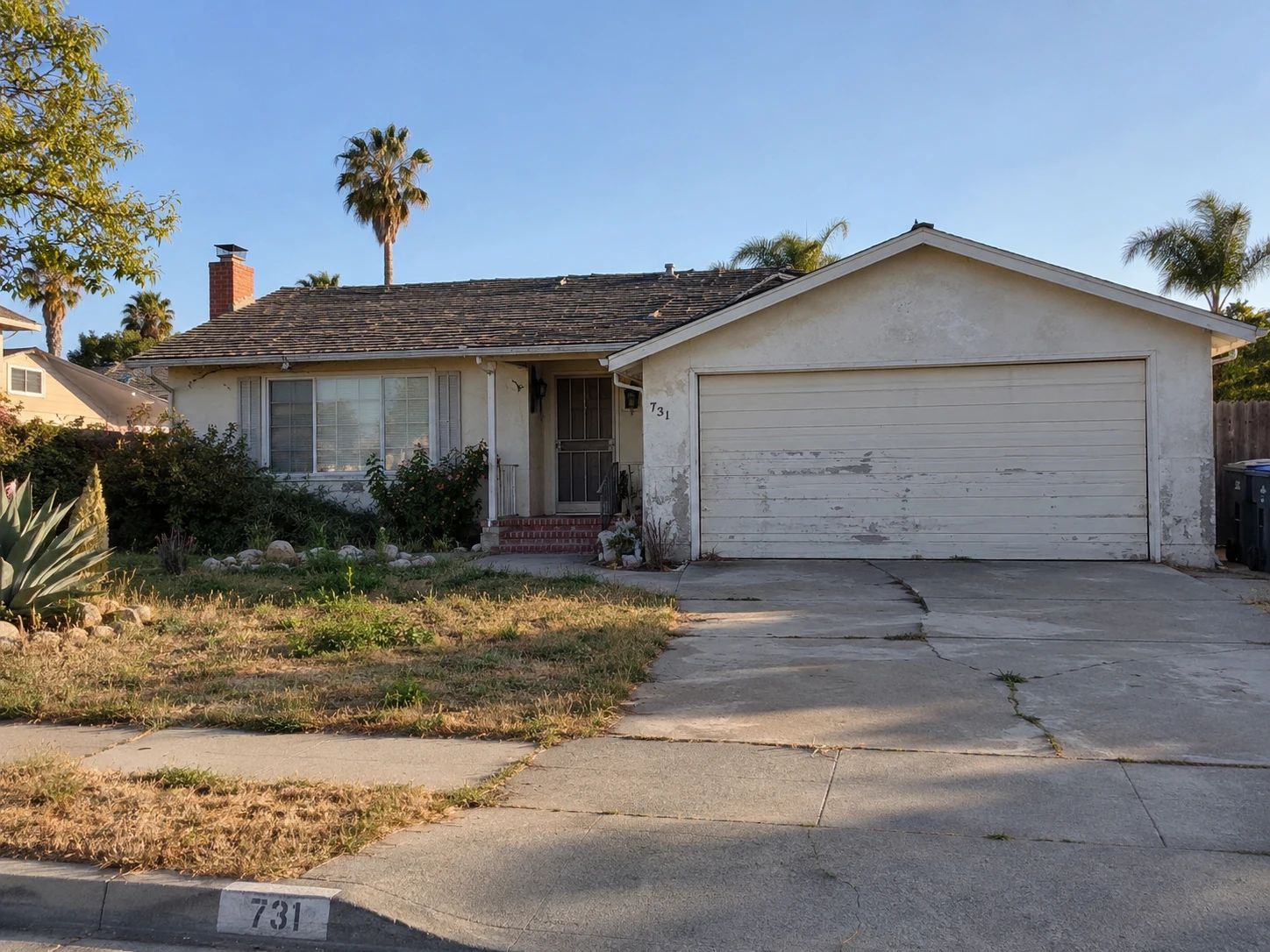
Home exterior / Before & after
Imagine a coordinated refresh of an older home, starting with the roof, facade and the welcome at the front door.
Renovation design concept. The scope for your home is agreed after a property review.
Make the important decisions early
A useful plan connects what you want with the condition of the property and the work involved.
Separate the visual changes you want from known defects. New color alone does not establish the repair work needed where a surface is cracked or deteriorated.
Identify the roof, windows, doors or wall materials that are remaining. New finishes should be selected with those fixed elements in mind.
Mention planned roof, window and interior changes. Coordinating openings and junctions can help avoid disturbing newly finished surfaces later.
The sequence is adapted to your agreed scope and property.
Identify conditions, materials and the appearance you want.
Agree repairs, finish choices and related openings or roof work.
Sequence protection, surface work and the new exterior finishes.
Review transitions, finishing details and the completed scope.
Included with every R&B service
Exterior work is designed on paper first. R&B provides elevation drawings showing the siding or stucco areas, trim, window and door openings and the color layout. When the facade design changes, those elevations are developed with our in-house licensed architect. Permits depend on what's behind the surface. In San José, like-for-like siding or stucco replacement goes through Simple Project Service. Retrofit windows that don't touch the framing, flashing or exterior wall don't need a permit, but window replacements that do alter them do. Homes on the Historic Resources Inventory or in a Planned Development zoning district need Planning approval for window changes before work starts. We sort out which path applies, prepare the submittal and schedule inspections. See how permits work.
Building outside San José? Each city page lists that city's permit portal.
A useful starting point
No need to have every answer. These are simply useful things to think about.
See the path from enquiry to constructionFinishing services
Explore interior and exterior painting for preparation, trim, finishes and coordination with related repairs.
San Francisco Bay Area
For a Bay Area facade renovation, tell us your city and which elevations need work. Access around the house, existing materials and any planned window or roof changes help establish a coordinated exterior scope.
Your city. Your next step.
Find your city below. Each guide brings together remodeling services, official local planning resources and a project preparation checklist.
Explore all city guidesExplore Bay Area cities:
Project availability is confirmed for your location, scope and schedule.
Before you begin
Every home is different. Let’s talk through the details of yours.
Yes. Explain which materials and details you want to preserve. The condition of the existing surfaces and the availability of matching materials will guide the repair approach.
They can be discussed as part of the scope. Opening sizes, product specifications and the connection to surrounding walls need coordination before installation is planned.
The underlying condition needs review before a finish is selected. Describe recurring cracks, staining or peeling so any necessary repair can be considered alongside the visual update.
Yes. Share all planned changes, especially openings, roofing and additions, so the work can be coordinated and shared details are addressed in the right sequence.
The material, texture, age and weathering of the retained surface affect the result. Review samples and the proposed repair boundaries. Sometimes refinishing a larger area or making a deliberate material transition gives a more consistent appearance.
Small samples are useful for narrowing choices, but review them together and in the light around your home. Larger samples or a mockup can help explain texture and transitions before final selections and ordering.
Like-for-like siding or stucco replacement is handled through the City's Simple Project Service. R&B prepares the documents and coordinates the inspection.
Retrofit windows that don't alter the framing, flashing or exterior wall don't. Replacements that change those do. Historic or Planned Development properties need Planning approval first.
Begin a conversation
You don’t need to have it all figured out. Tell us where you are with your project, and we can discuss the next step.
(650) 800-9661info@rbmasterconstruction.comServing homeowners in the San Francisco Bay Area.
Part of a bigger picture
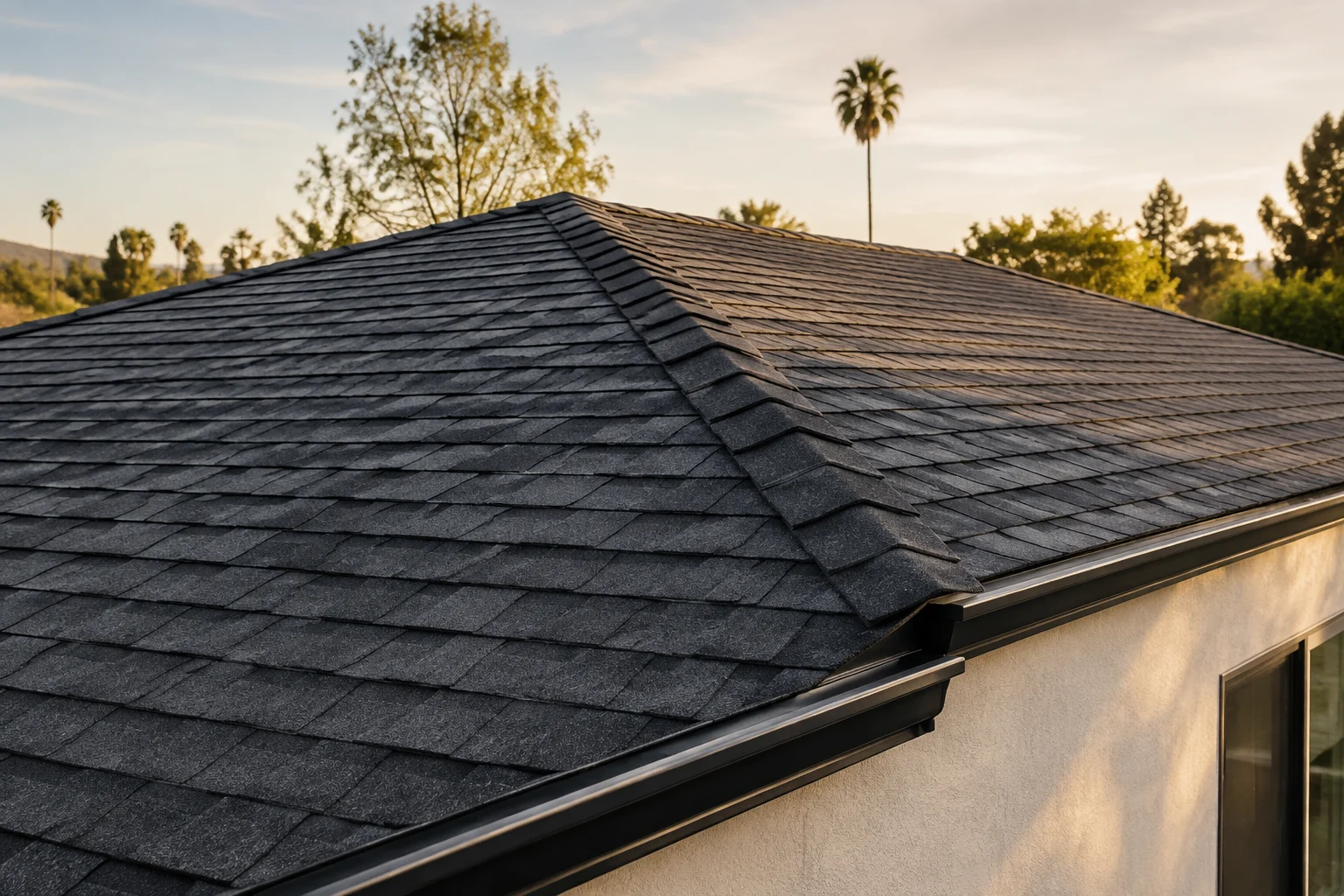
Protect everything underneath.
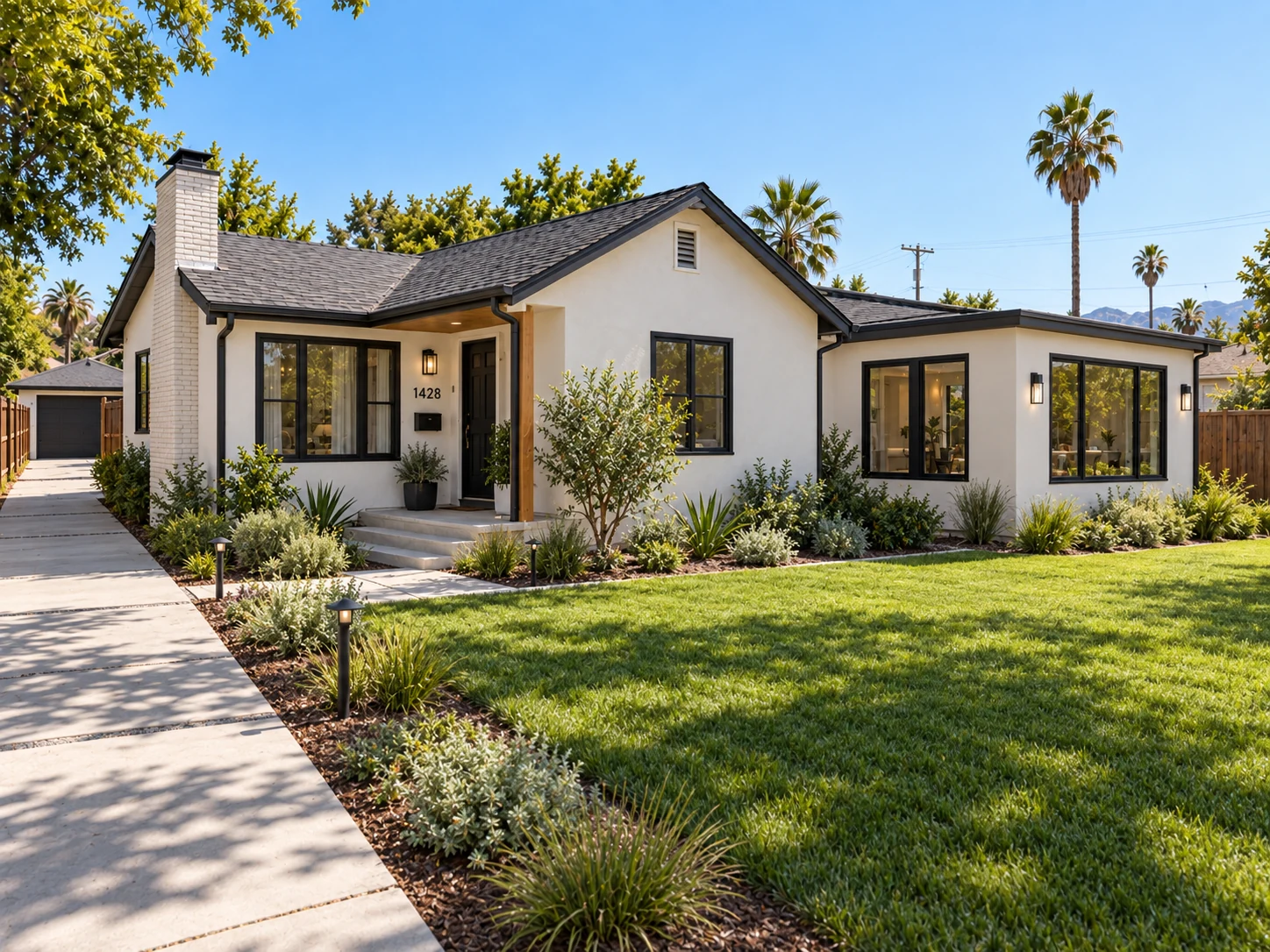
Make room for what comes next.
Driveway design, new pours, repair and replacement, including the approach at the street.
Explore concrete driveways